Fall 2026 - on sabbatical
Spring 2027 - Graduate Coordinator for USF Integrative BIology

Uniola paniculata
BOT4184C / BSC6932 Biology of Coastal Plants (Fall 2027): A field course in coastal plants with emphasis on ecology and functional morphology. Field trips will stress the ecological aspects of plants in the coastal environment of Florida. The class is discussion based and includes an experimental component. Students will design and conduct a research project.
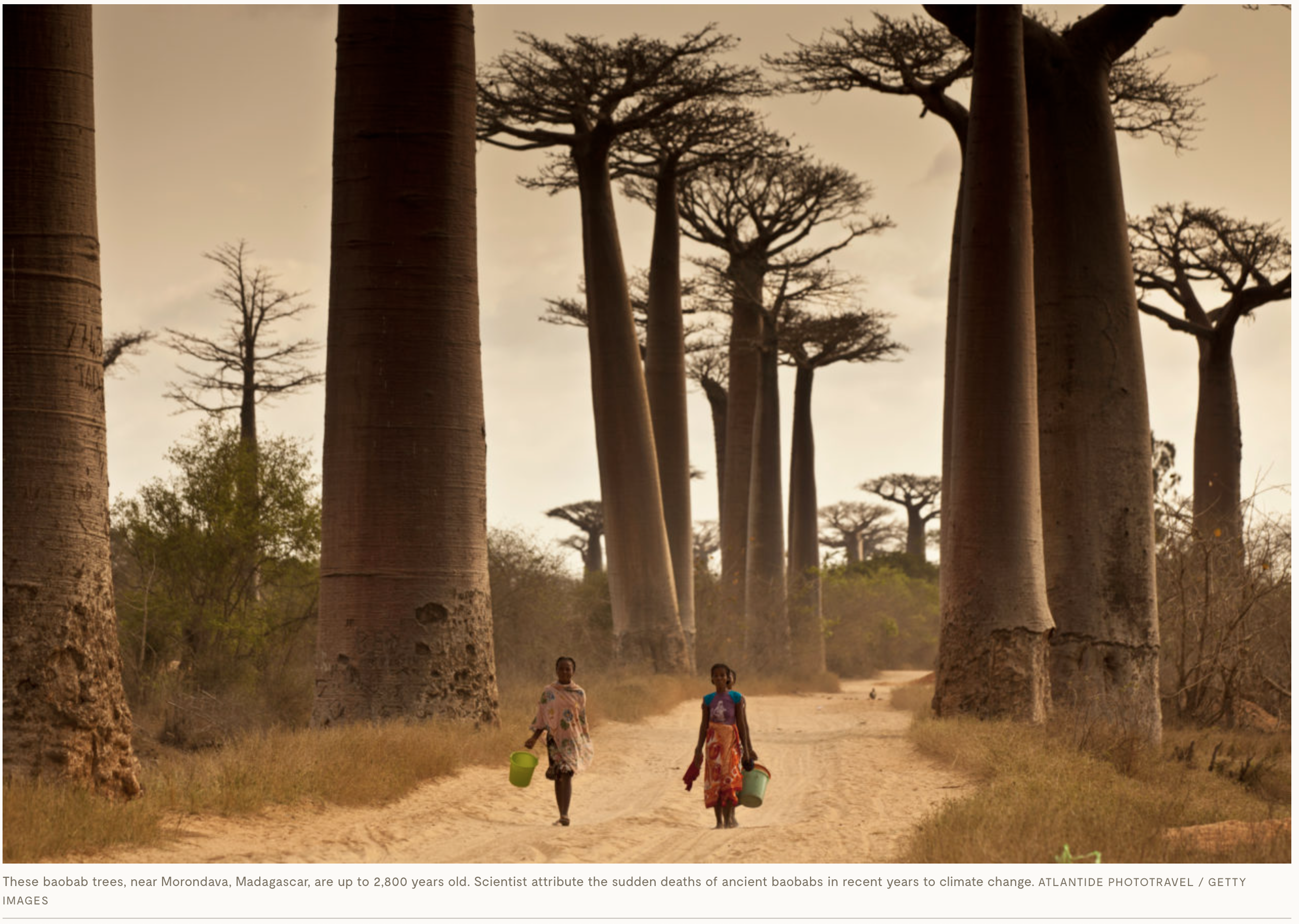
BOT 4673C / BSC6932 Plants in Changing Enviornments (Fall 2028). An overview of how plant communities provide the foundation for natural ecosystems, play a critical role in climate change mitigation and are the base of the food web for wild animals and humans. The course explores how plants in all wild and domesticated contexts are challenged by changing environmental conditions with an emphasis on morphological and physiological adaptations, conservation, sustainability and urban green spaces. The class is discussion based and includes an experimental component. Students will design and conduct a research project.
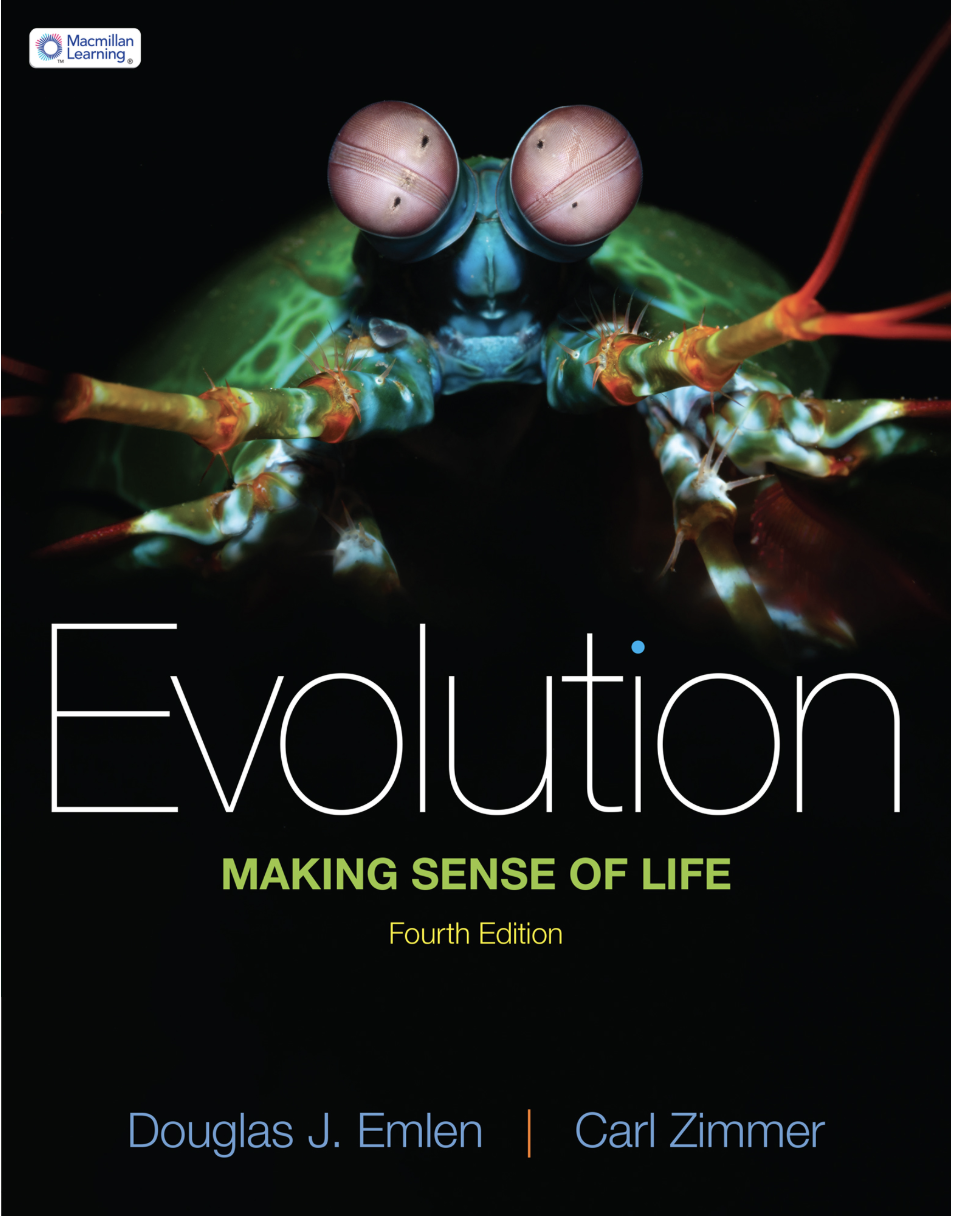
PCB4674 Organic Evolution (Spring semesters, currently on hold): Gain an understanding of the history and development of evolutionary theory, the origin of evolutionarily relevant phenotypic variation, the process of diversification of species and higher taxa, and an appreciation for the dynamic process of understanding evolutionary biology. In our on-going efforts to improve diversity, equity and inclusion in our curriculum, we will actively evaluate the inherent biases and endeavour to consider under-represented perspectives in the study of evolution.

Biological Diversity & Human Experience (Fall 2022, cross listed among the departments of Anthropology/History/Integrative Biology/Philosophy)
Instructors: Alex Levine, Lorena Madrigal, Adriana Novoa, Christina Richards
This seminar will analyze how the problems related to diversity today have been conceived historically through the emergence of scientific fields that became independent from philosophy. This resulted from the discoveries of the nineteenth century, when such disciplinary boundaries had not yet been established. What is today biology and anthropology were then considered philosophical areas of inquiry. We would like to explore the development of new disciplines, particularly after the emergence of evolutionary science, address how the concept of humanity came to be, and the meaning of human experience in the context of evolutionary discoveries. We will also analyze how a return to research that integrates biological diversity with other disciplines can provide different epistemological insights. We contend that understanding diversity as a problem that is interdisciplinary and humanistic can help to integrate an ethical awareness that is critical for addressing institutional racism and other forms of discrimination in academia.